Cleanse with Purpose
Use products suited to the intended area and remove dirt, sweat, oil, styling residue, or makeup without unnecessary overuse.
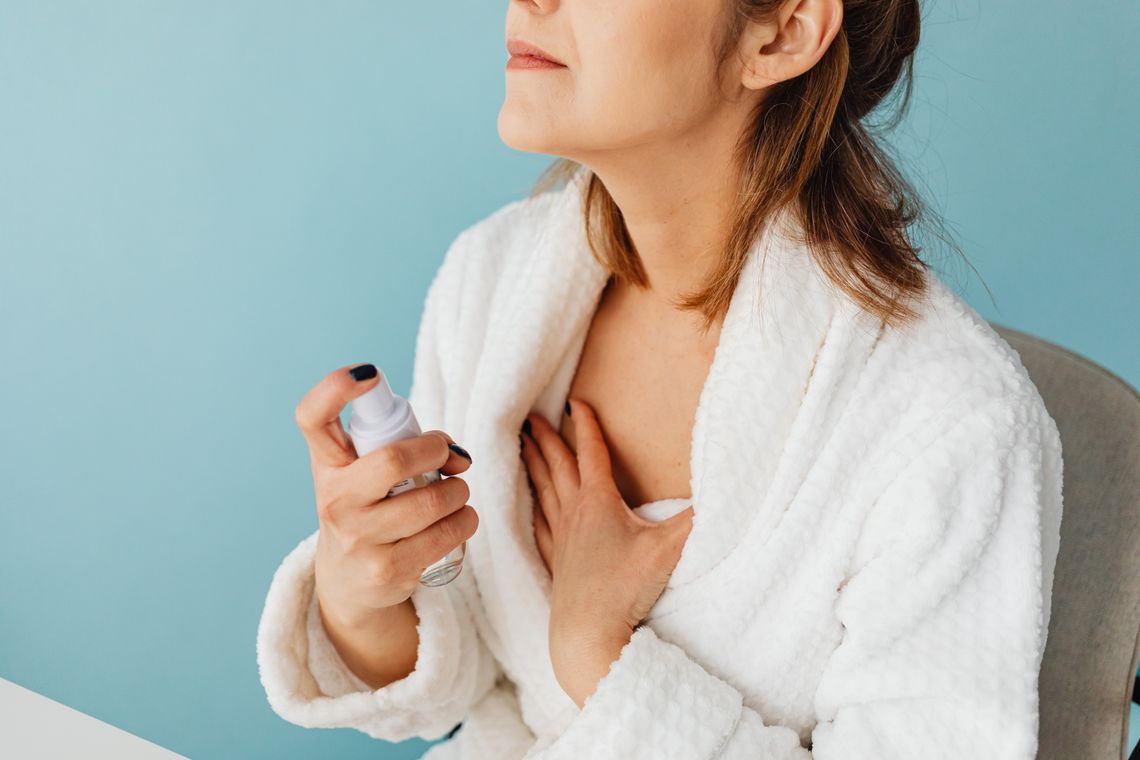
Refined routines for skin, hair and personal care
BloomCare offers practical products for cleansing, moisturizing, sun protection, scalp care, styling, shaving, body freshness, oral hygiene, and grooming. This guide helps customers build organized routines while respecting ingredients, product instructions, hygiene, tool care, and individual sensitivities.
A thoughtful beauty foundation
Effective personal care begins with understanding the product, using it consistently, keeping tools hygienic, and paying attention to how skin, hair, scalp, and body respond.
Use products suited to the intended area and remove dirt, sweat, oil, styling residue, or makeup without unnecessary overuse.
Introduce treatment products gradually and review ingredients, frequency, body area, and compatibility.
Support routines with moisturization, sun protection, clean tools, suitable storage, and consistent maintenance.
Reduce or stop products that cause persistent dryness, irritation, breakage, discomfort, or another concerning reaction.
Face cleansing and treatment
A simple routine is often easier to maintain and evaluate than several unfamiliar products introduced at the same time. Follow the directions for each formula and avoid combining treatments without understanding their compatibility.
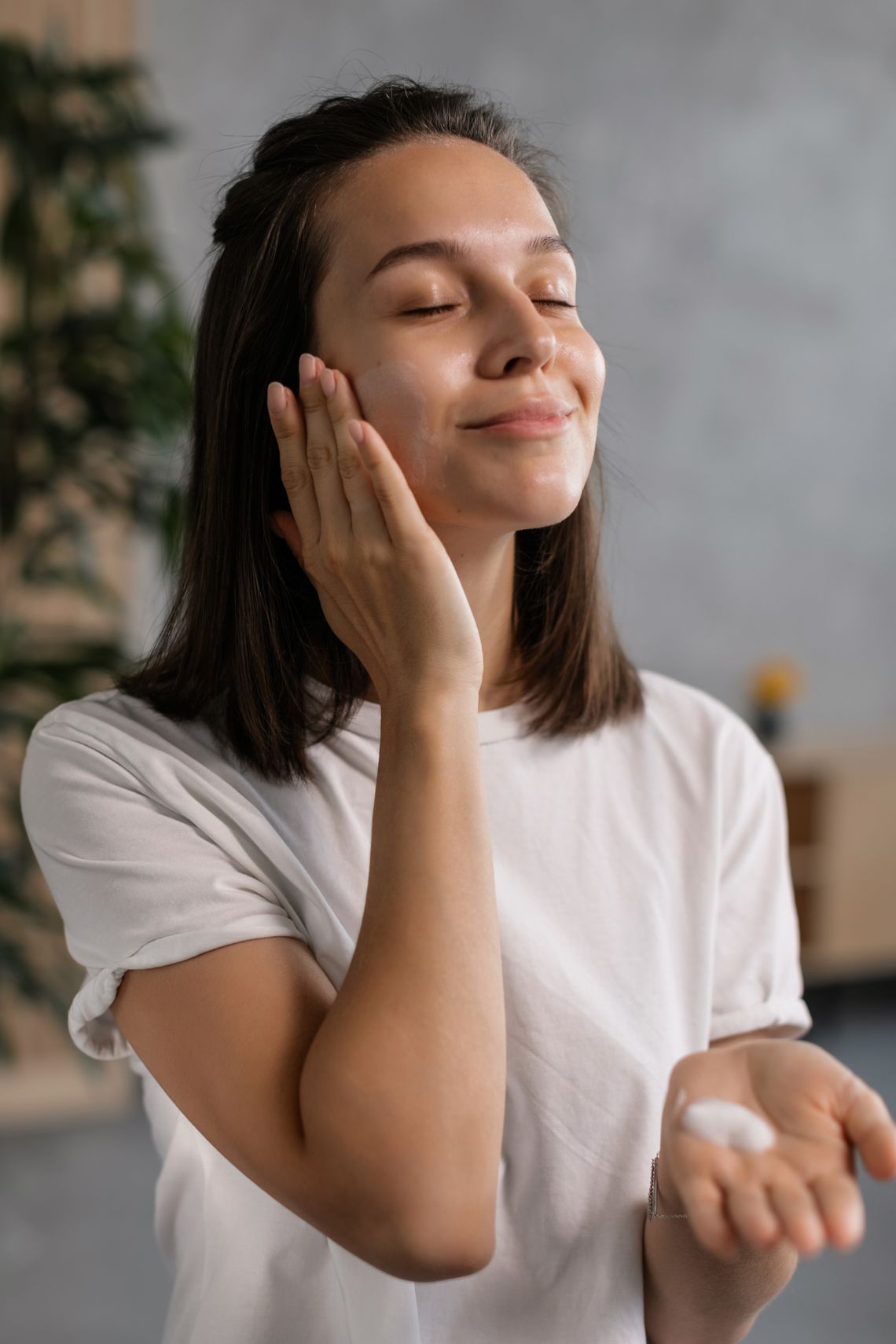
BloomCare categories can support a complete routine, but more products do not automatically create better results. Choose items according to the user, body area, ingredients, tools, environment, and desired level of maintenance.
Remove daily buildup with face, body, hair, scalp, oral-care, and hygiene products suited to the area.
Use moisturizers, conditioners, oils, masks, and body-care products according to texture and need.
Introduce targeted products carefully and review active ingredients, sensitivity, frequency, and compatibility.
Use heat tools, brushes, combs, creams, sprays, and accessories without excessive tension or temperature.
Prepare skin and hair before shaving, trimming, clipping, shaping, or using body-contact tools.
Support routines with clean tools, suitable storage, sun care, safe temperatures, and timely replacement.
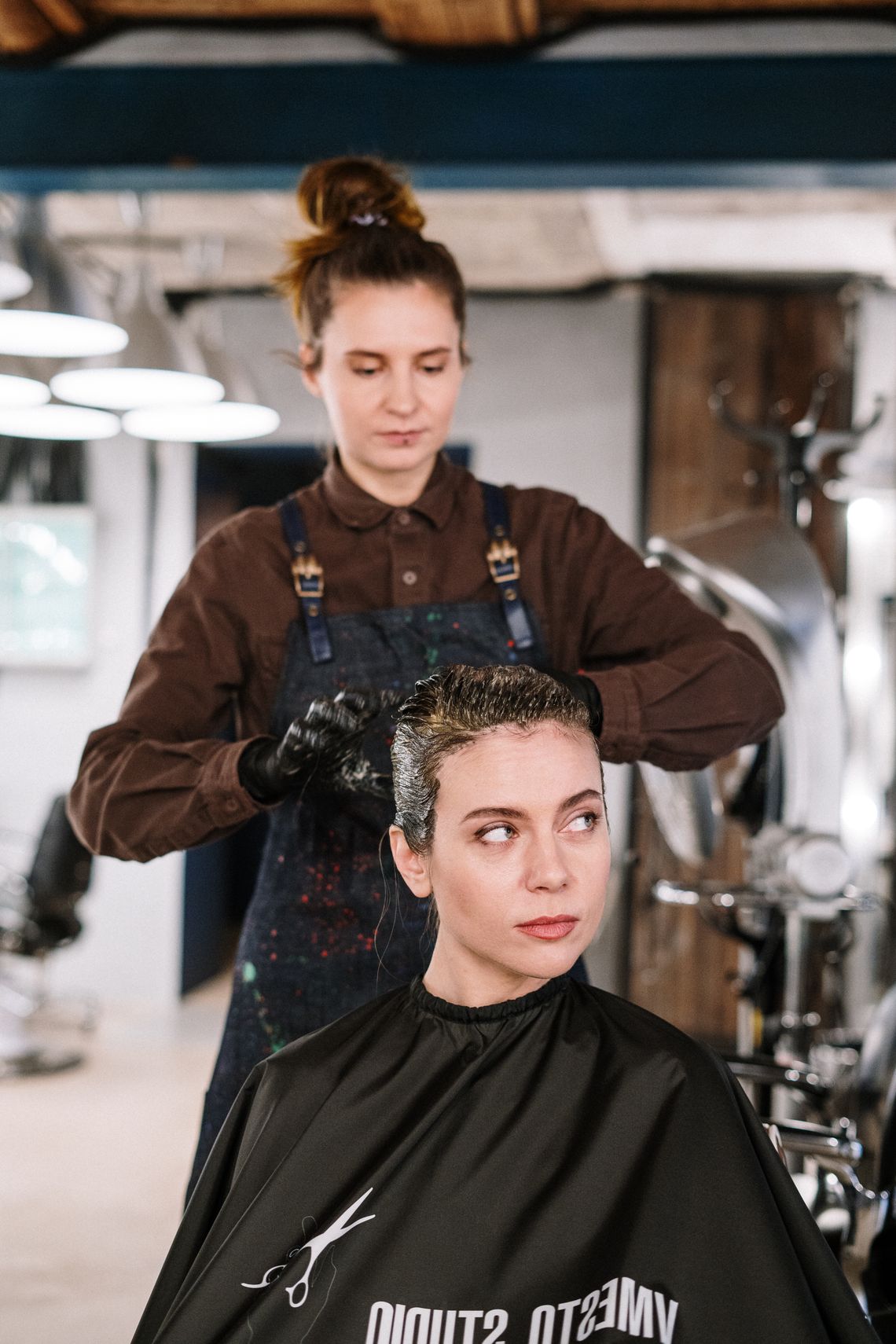
Hair and scalp care
Hair needs can differ across textures, lengths, protective styles, color treatments, scalp conditions, climates, and daily grooming habits.
Hair styling and tool selection
Brush shape, bristle type, plate material, barrel size, temperature, attachment, product hold, and hair tension can all affect styling results.
Use suitable airflow, attachments, temperature, and movement rather than holding concentrated heat in one place.
Use dry hair when required, suitable temperature, clean plates, and limited passes to reduce repeated heat exposure.
Keep heated barrels away from the scalp and skin, and follow the product’s timing and temperature guidance.
Use tools suited to detangling, smoothing, styling, edges, scalp care, wet hair, dry hair, or textured hair.
Build creams, gels, sprays, mousses, waxes, and oils gradually to reduce buildup and stiffness.
Choose bands, clips, pins, caps, and protective accessories that hold securely without pain or breakage.
Professional-inspired styling
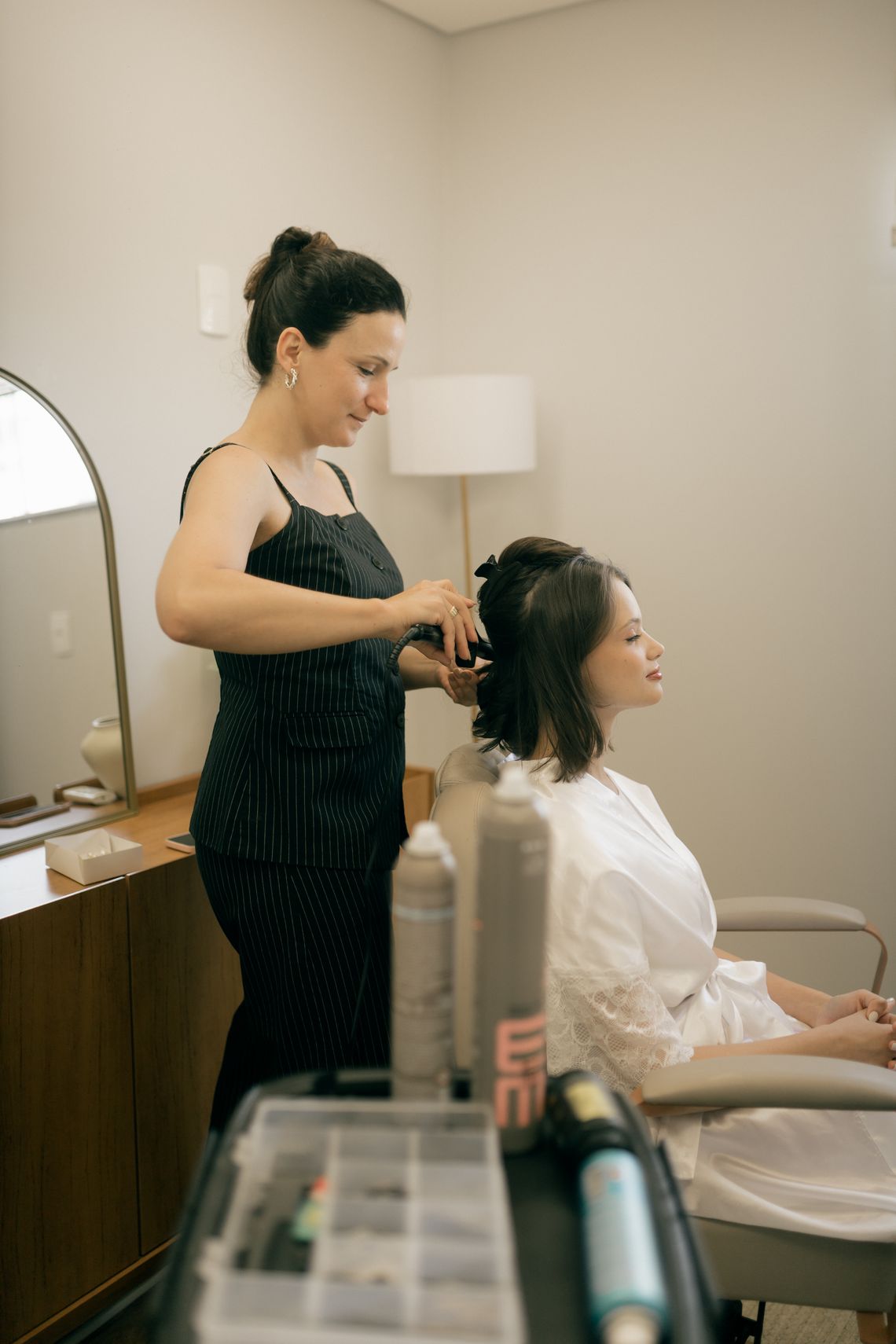
Good styling begins before the tool is switched on. Hair condition, moisture level, section size, product buildup, tool cleanliness, and planned finish all matter.
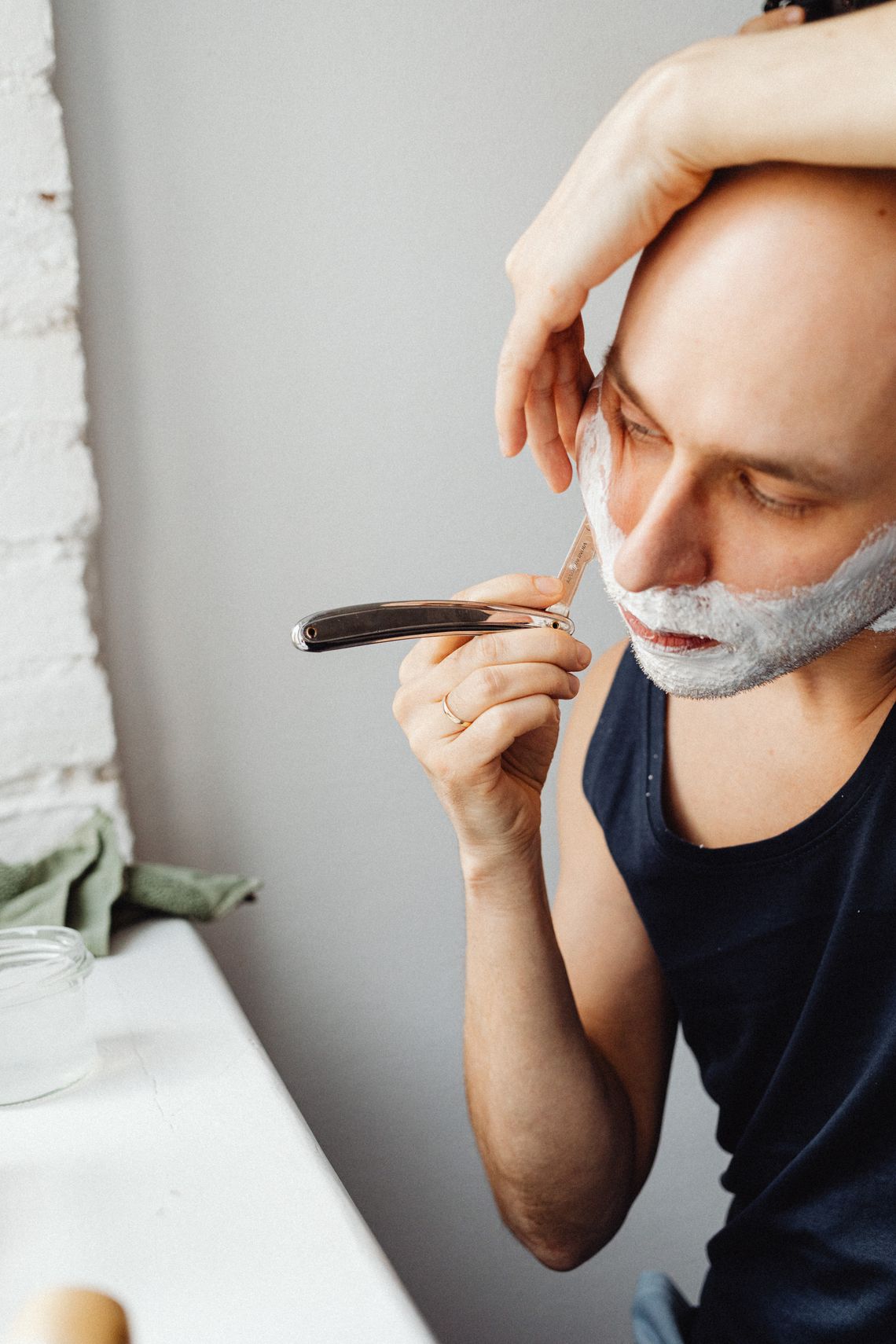
Shaving and grooming essentials
Razors, clippers, trimmers, grooming scissors, guards, brushes, and body-care tools require hygiene, correct attachments, careful pressure, and safe storage.
Bathing, deodorant, oral hygiene, clean clothing, dry storage, breathable routines, and suitable grooming products work together to support everyday freshness.
Choose cleansers, exfoliating products, bath accessories, and moisturizers suited to the body area and frequency.
Apply only to the stated area and review fragrance, active ingredients, broken-skin warnings, and sensitivity.
Use products only for their intended external or internal purpose and follow hygiene and replacement directions carefully.
Support daily care with brushing, interdental cleaning, tongue care, and suitable replacement schedules.
Clean, dry, moisturize, and maintain reusable tools while avoiding aggressive cutting or contaminated equipment.
Use protective products according to application amount, body area, timing, reapplication, and exposure conditions.
Oral hygiene and personal tools
Toothbrushes, dental tools, razors, facial rollers, applicators, tweezers, scissors, brushes, combs, and grooming attachments can collect moisture, skin oils, hair, toothpaste, product buildup, and microorganisms.
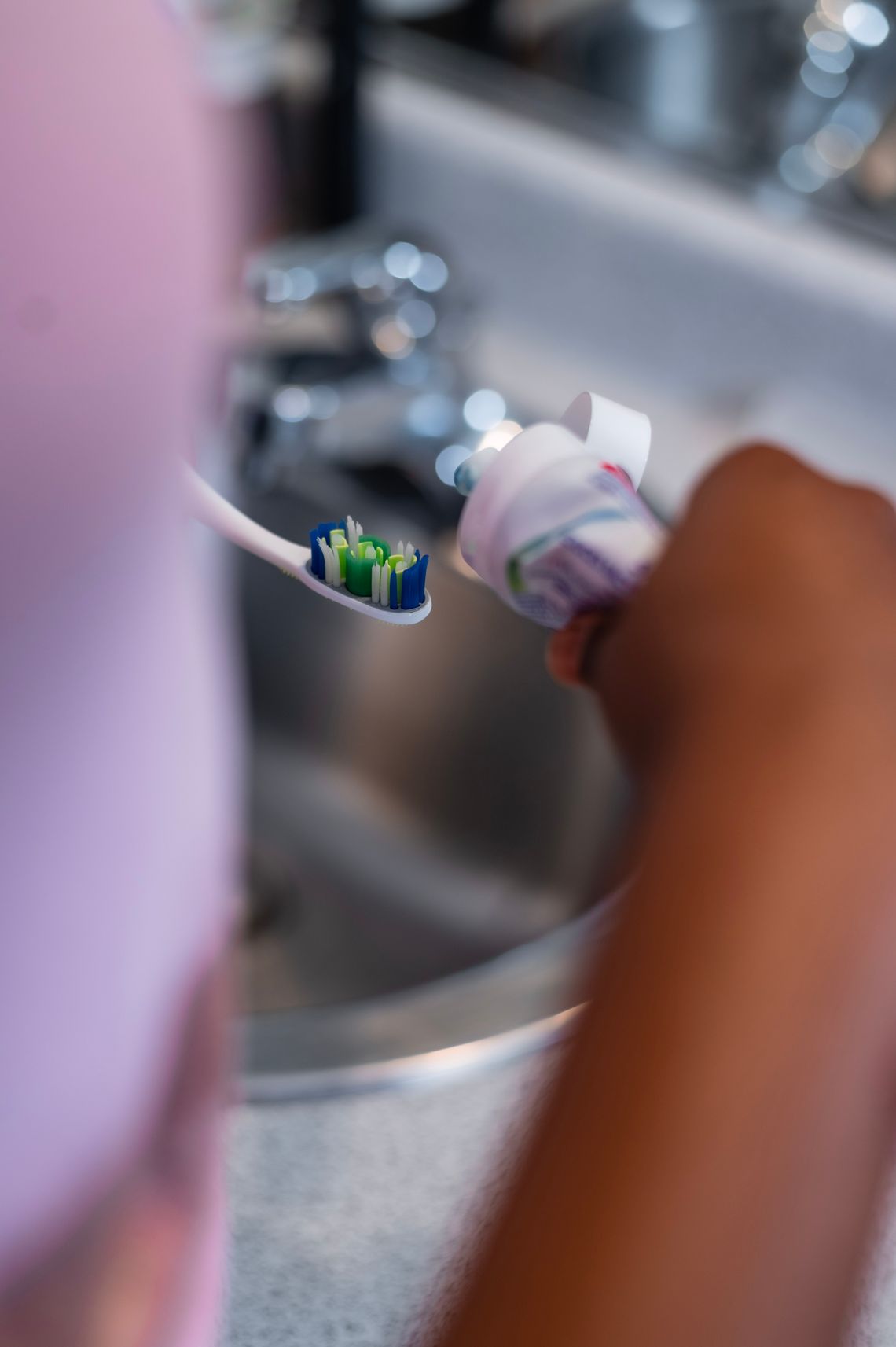
A polished routine in four stages
Customers can adapt this simple sequence to face care, body care, hair care, oral hygiene, shaving, styling, or grooming.
Identify the area, desired result, product type, sensitivities, time available, and maintenance level.
Use clean hands, clean tools, suitable lighting, dry surfaces, and the recommended skin or hair condition.
Follow the correct amount, direction, pressure, timing, temperature, attachment, and body area.
Use suitable aftercare, clean the tools, close products, store everything safely, and observe the result.
Beauty and grooming product guide
Before ordering, review the intended area, ingredients, materials, tool type, replacement parts, power requirements, and the level of upkeep involved.
| Routine area | Product examples | Important review points |
|---|---|---|
| Face Care | Cleansers, masks, serums, moisturizers, treatment products, rollers, and cleansing tools. | Skin type, active ingredients, fragrance, sensitivity, frequency, layering, and sun-protection needs. |
| Body Care | Bath products, body cleansers, exfoliating tools, moisturizers, deodorants, and freshness products. | Body area, moisture level, broken-skin warnings, fragrance, exfoliation frequency, and storage. |
| Hair and Scalp | Shampoo, conditioner, masks, scalp care, oils, brushes, combs, styling products, and heat tools. | Hair texture, scalp condition, heat settings, buildup, tension, attachments, and cleaning. |
| Shaving and Grooming | Razors, trimmers, clippers, guards, scissors, creams, oils, brushes, and aftercare. | Blade condition, body area, water resistance, attachments, power, sharing risk, and replacement parts. |
| Oral Hygiene | Toothbrushes, replacement heads, dental tools, tongue care, flossing accessories, and storage products. | Personal use, bristle type, age suitability, replacement interval, charging, and cleaning. |
| Sun and Protection | Sun-care products, protective skincare, lip care, after-sun care, and travel accessories. | Coverage, application amount, reapplication, expiry, water exposure, and individual sensitivity. |
Beauty and grooming questions
These answers cover product layering, patch testing, heat tools, shaving, tool sharing, cleaning, replacement, and unexpected reactions.
Introducing one unfamiliar product at a time can make it easier to identify which item causes a change, benefit, dryness, or reaction.
Follow the product directions. Patch testing may be useful for unfamiliar topical formulas, adhesives, dyes, fragrances, and products used on sensitive areas.
Use clean tools, suitable temperature, limited passes, appropriate protection, controlled timing, and complete cooling before storage.
Avoid sharing razors, oral-care tools, intimate grooming products, blood-contact tools, and other personal body-contact items.
Clean according to the product instructions and the amount of contact with skin, hair, formulas, water, makeup, oil, or bodily fluids.
Replace it when blades dull, bristles deform, surfaces crack, metal rusts, attachments loosen, hygiene declines, or performance changes.
Stop using the product and follow its safety directions. Seek suitable assistance for severe swelling, breathing symptoms, burns, blistering, or rapidly worsening discomfort.
No. BloomCare provides retail product and general care information. Individual skin, scalp, hair, dental, or treatment concerns may require a qualified professional.
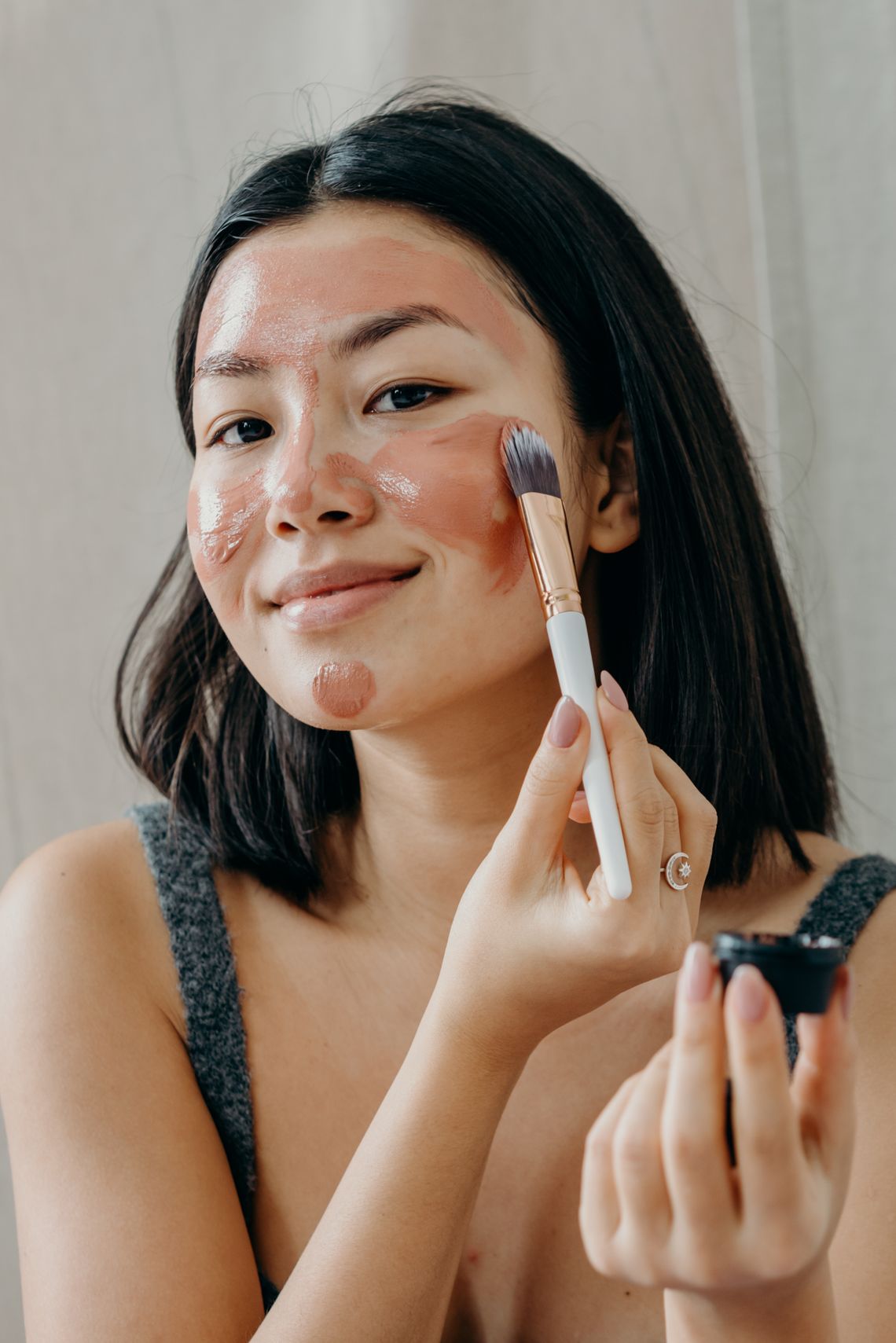
Beauty and grooming product support
BloomCare provides 24/7 customer support. Include the product name, relevant order number, model or batch details when available, the intended routine, a clear description of the question, and photographs of the product, packaging, label, tools, accessories, or visible damage when helpful.
Support Email: support@bloomcare.lol
Support Phone: +1 (808) 755-8761