Keep Essentials Ready
Maintain practical hygiene, first-aid, monitoring, recovery, and personal-care supplies for everyday needs.
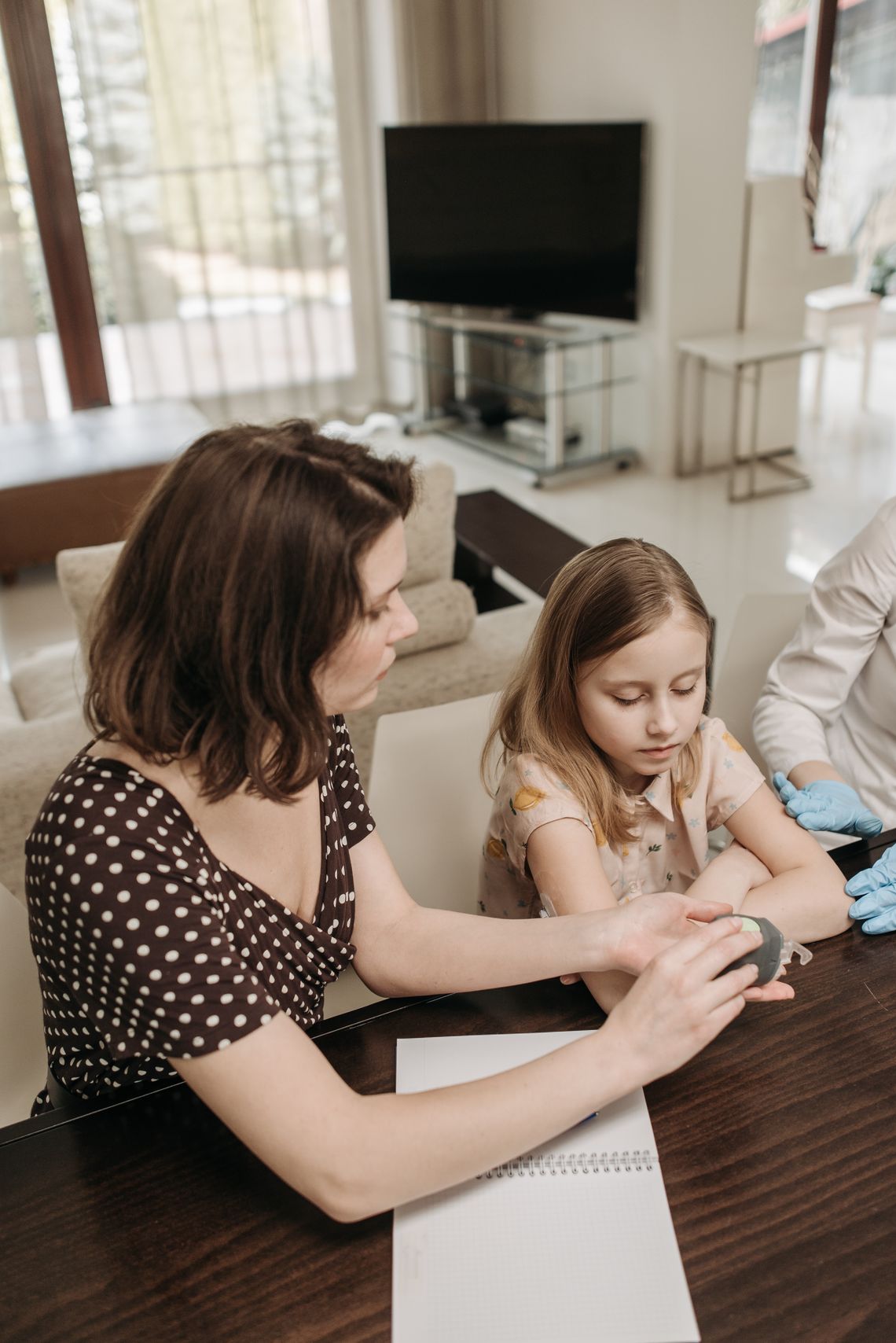
Everyday care for every stage of family life
BloomCare brings together practical products for hand care, bathing, oral hygiene, first aid, home monitoring, recovery, sleep, grooming, supplements, and household wellness. This guide helps families organize those essentials while respecting product instructions, personal differences, hygiene, privacy, and the limits of home care.
A strong household foundation
Family care becomes easier when essential products are organized, instructions are visible, hygiene habits are consistent, and everyone knows when professional help is needed.
Maintain practical hygiene, first-aid, monitoring, recovery, and personal-care supplies for everyday needs.
Choose products suited to the user’s age, size, abilities, sensitivities, and individual health circumstances.
Protect supplements, batteries, blades, treatments, devices, and small parts from children, pets, heat, and moisture.
Home products can support routines but should not delay urgent, professional, dental, or medical assistance.
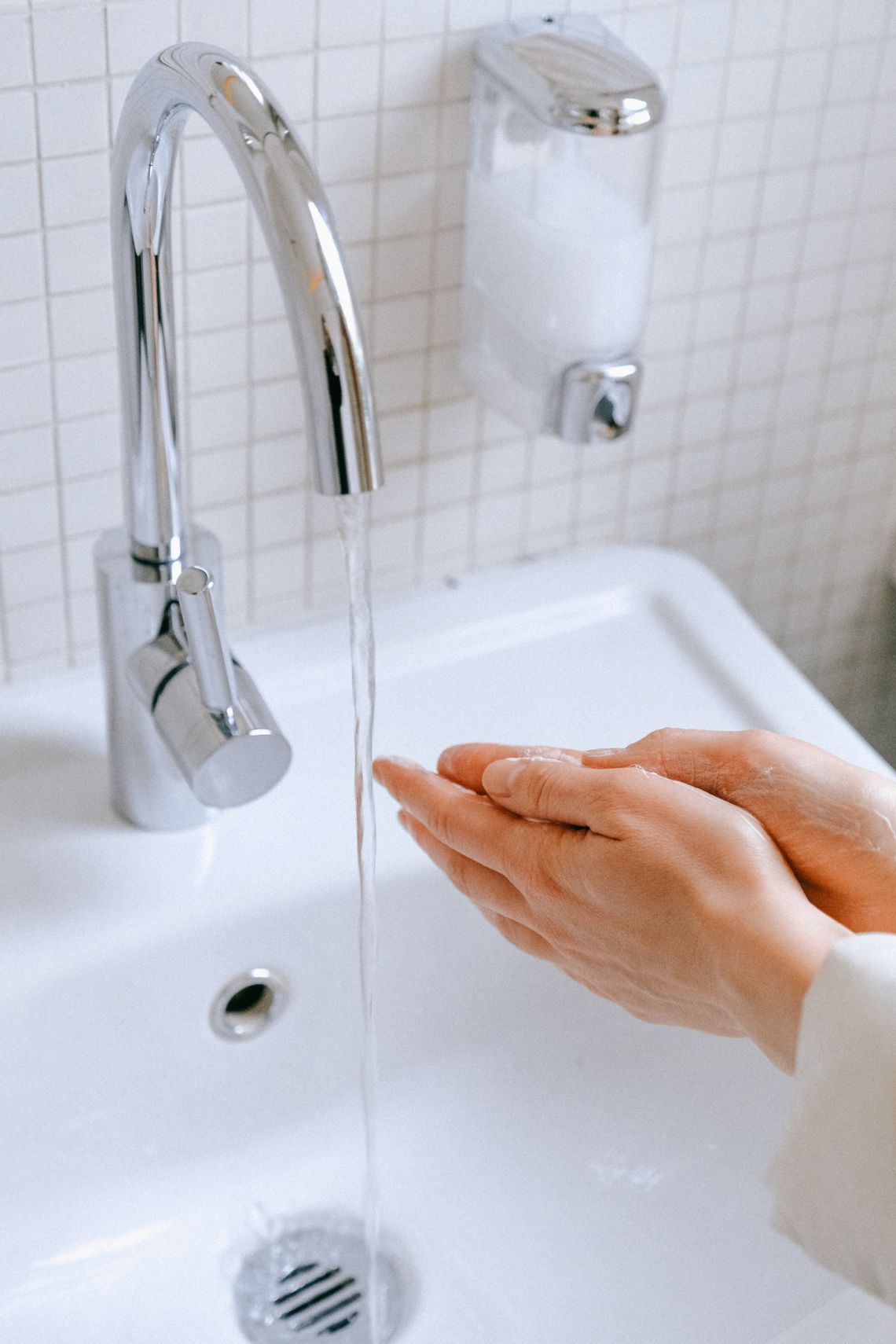
Daily hygiene for shared households
Shared homes benefit from easy access to hand care, bath products, oral-care tools, deodorant, grooming products, clean towels, and clearly separated personal items.
Products should be selected for the people in the household, stored according to their labels, reviewed regularly, and removed when expired, damaged, contaminated, or no longer suitable.
Hand soap, sanitizing products, bath care, oral hygiene, deodorant, feminine care, and grooming essentials.
Gentle cleansing, moisturizers, protective skin care, sun care, and products suited to household sensitivities.
Bandages, dressings, cleaning supplies, treatment items, gloves, instructions, and emergency contact information.
Blood pressure, temperature, weight, pulse, and other devices used according to instructions and professional guidance.
Massage, comfort, sleep, stress-support, positioning, and recovery products used within their stated limits.
Supplements and home-wellness essentials stored safely and reviewed for ingredients, warnings, and expiry dates.
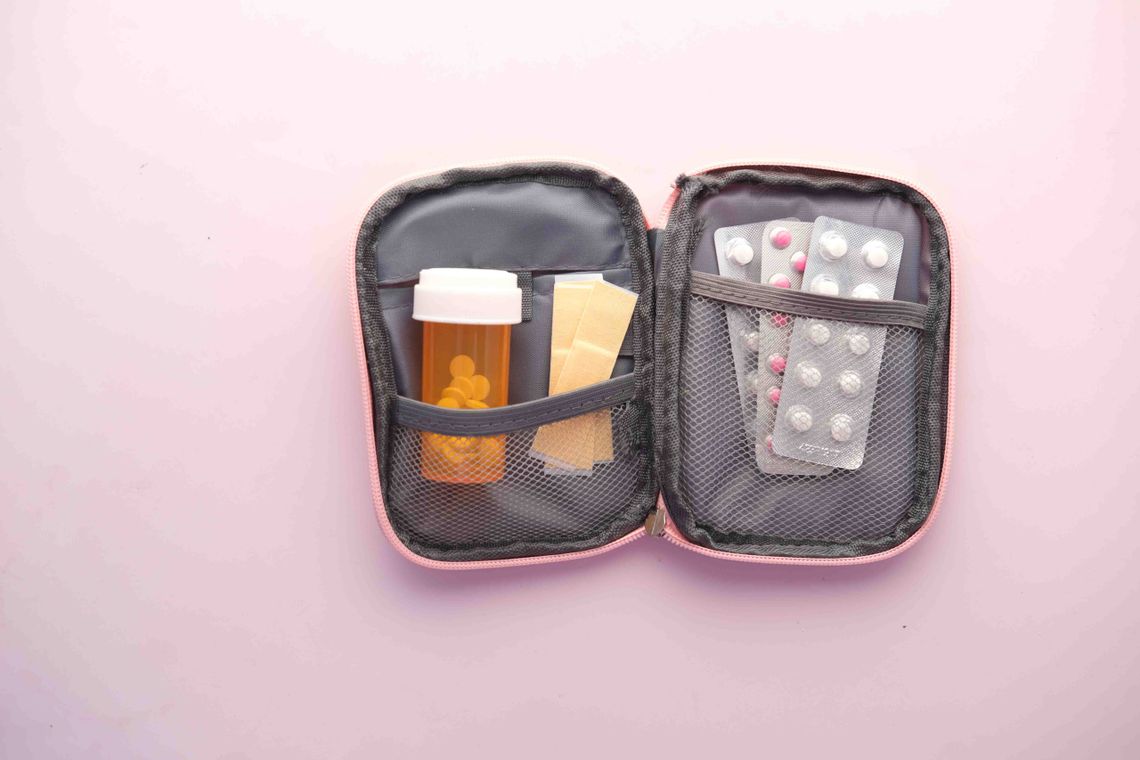
First-aid preparation
A home first-aid kit should be easy for responsible adults to find while remaining protected from young children, pets, moisture, contamination, and accidental misuse.

Children’s personal-care routines
Children can have different product, dosage, fit, swallowing, skin, allergy, and supervision needs. Review age guidance and keep adult products out of reach.
Family monitoring and records
Monitoring tools may help families organize routine information, but readings require correct technique and should not be treated as complete medical interpretation.
Check power, cleanliness, fit, compatible accessories, settings, date, time, and visible condition.
Follow instructions for rest, posture, placement, clothing, timing, and environmental conditions.
Remain still, use the full procedure, and repeat only according to the product guidance.
Save the date, time, result, symptoms, activity, device, user, and unusual conditions.
Monitoring across the household
Some devices may be shared when the instructions permit it, but cuffs, profiles, mouthpieces, lancets, strips, probes, and other body-contact components can require individual use.

Family essentials by need
The products a household needs can change according to age, allergies, mobility, health conditions, caregiving responsibilities, travel, climate, and professional recommendations.
| Care area | Useful essentials | Important review points |
|---|---|---|
| Daily Hygiene | Hand soap, sanitizing products, bath care, deodorant, oral-care tools, towels, and grooming accessories. | Age suitability, separate personal tools, drying, replacement intervals, and sensitive-skin needs. |
| Skin and Sun Care | Gentle cleansers, moisturizers, body care, protective skin products, and sun-care essentials. | Ingredients, allergies, body area, age guidance, expiry, and storage temperature. |
| First Aid | Bandages, dressings, gloves, cleaning supplies, treatment items, basic tools, and instructions. | Sterile seals, expiry dates, child-safe storage, emergency limits, and replenishment. |
| Home Monitoring | Blood pressure, temperature, weight, pulse, wearable, and other routine monitoring products. | Correct size, placement, user profiles, cleaning, batteries, accessories, and interpretation limits. |
| Recovery and Rest | Massage tools, support cushions, heat or cold products, sleep accessories, and stress-support items. | Duration, intensity, skin protection, circulation, fall risk, and professional restrictions. |
| Supplements and Wellness | Labeled supplements and home-wellness products selected for individual household needs. | Ingredients, interactions, age, pregnancy, medications, allergies, dosage, and secure storage. |
Home essentials should support responsible routines rather than encourage diagnosis, unsafe treatment, product sharing, excessive monitoring, or delay in seeking appropriate help.
Use only as labeled or professionally directed, and keep all ingestible products in secure original containers.
Supervise vulnerable users and stop devices that overheat, spark, swell, leak, or operate unpredictably.
Do not share oral-care, intimate-care, shaving, blood-contact, or single-use personal products.
Consider technique, symptoms, timing, and professional guidance rather than interpreting one number alone.
Protect health records, personal images, treatment details, account information, and each family member’s consent.
Serious symptoms, poisoning, major injury, breathing difficulty, or loss of consciousness require appropriate urgent assistance.
Family health questions
These answers cover family kits, children, older adults, shared devices, supplements, first aid, product storage, and urgent care.
Review it regularly and after products are used. Replace expired, damaged, opened, contaminated, missing, or low-stock essentials.
Not always. Age, size, dosage, ingredients, body area, fit, swallowing risk, and supervision needs can differ.
Some may be shared when permitted, cleaned correctly, and used with suitable accessories. Blood-contact and single-use parts must not be shared.
Keep them in original labeled containers under the stated temperature and moisture conditions, securely away from children and pets.
Record relevant readings, symptoms, reactions, product use, timing, questions, and professional instructions while protecting privacy.
No. It supports immediate basic care but cannot replace emergency services, diagnosis, treatment, or professional assessment.
Review vision, grip, mobility, skin, circulation, fall risk, medication, device complexity, and the need for caregiver assistance.
No. BloomCare provides retail product and general wellness information. Qualified professionals should guide diagnosis, treatment, medication, and individualized care.
Family product support
BloomCare provides 24/7 customer support. Include the product name, relevant order number, model or batch details when available, the intended user or age range, a clear description of the question, and photographs of the product, packaging, label, accessories, or visible damage when helpful.
Support Email: support@bloomcare.lol
Support Phone: +1 (808) 755-8761